Advanced Products and Services: The Effect of Health and Product Support Teams on Community Wellness
Health and product assistance teams are essential in joining innovative products with the demands of the community. Their dedicated efforts in feedback analysis and outreach build a pathway for tackling health concerns effectively. By collaborating with local organizations, these teams foster trust and encourage tailored solutions. The impact of their work stretches beyond mere product enhancement. It presents questions about how these interactions mold community resilience and overall health outcomes. What lies ahead for this critical relationship?
The Function of Health and Product Support Teams in Driving Innovation
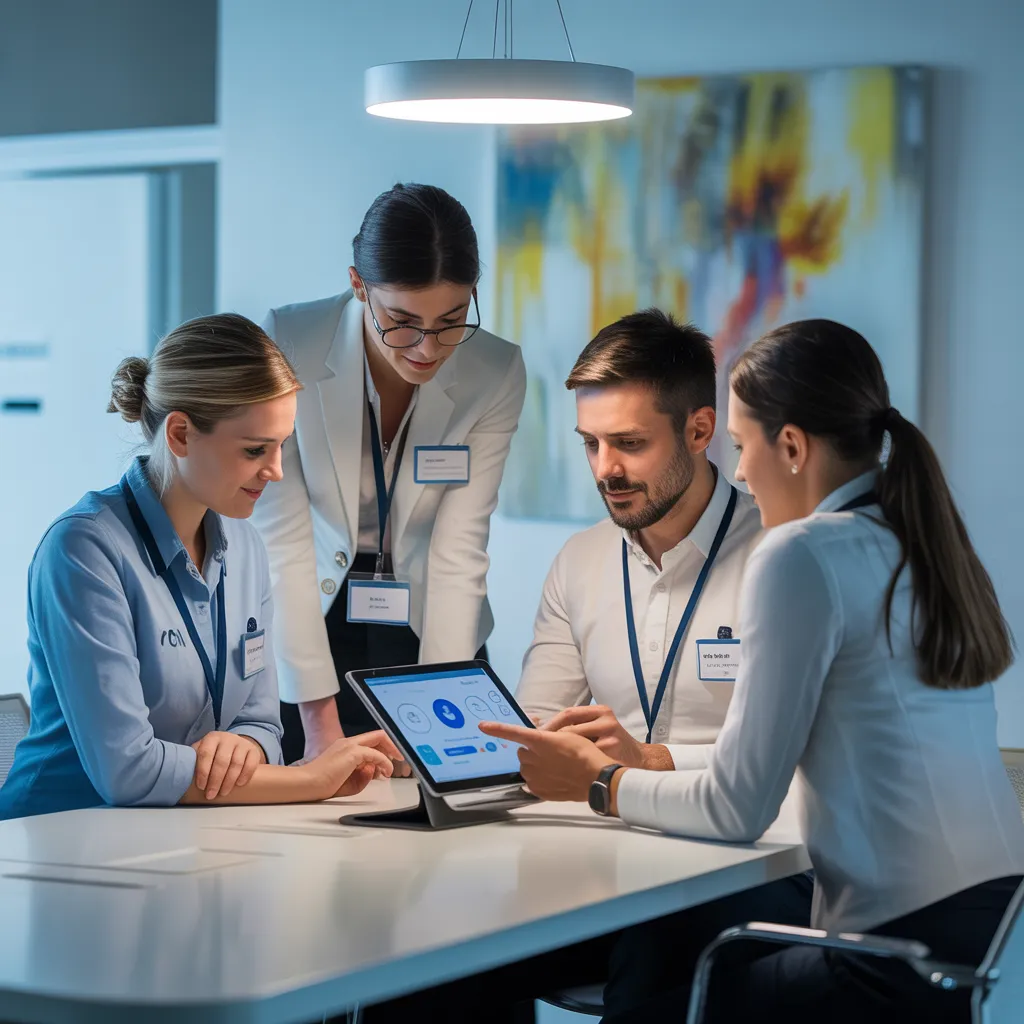
Though commonly disregarded, health and product support teams hold a vital position in driving innovation within organizations. These teams function as a bridge between consumers and product developers, supplying essential insights into user needs and preferences. By analyzing feedback and monitoring usage patterns, they identify areas for improvement and recommend enhancements that harmonize with community health objectives.
Moreover, health and product support teams facilitate collaboration across departments, fostering an environment where innovative ideas can flourish. They support the development of new products and services by making certain that health considerations are embedded within the design process. This proactive approach not only generates more effective solutions but also builds trust within the community, as users feel their concerns are confirmed and addressed. Eventually, the continuous input from these teams nurtures a culture of innovation, driving organizations to adapt and evolve in ways that strengthen community well-being.
Enhancing End-User Experience By Effective Support
Quality support is crucial for elevating user experience in health and product services. Establishing personalized assistance strategies can tackle individual needs, while streamlined communication channels facilitate timely responses. Jointly, these elements significantly enhance user satisfaction and overall community well-being.
Individualized Assistance Strategies
As users increasingly seek tailored solutions to their health and product needs, personalized assistance strategies emerge as essential tools for improving customer satisfaction. These methods require employing data analytics guide to grasp individual preferences and requirements, thereby allowing support teams to deliver tailored guidance and suggestions. By employing techniques such as forward-thinking engagement, tailored subsequent communications, and targeted resources, organizations can foster a deeper connection with users. Moreover, this approach not only addresses immediate concerns but also foresees future needs, eventually resulting in higher satisfaction levels. Executing personalized assistance strengthens client loyalty, cultivates trust, and encourages a sense of community, consequently improving overall well-being. These approaches demonstrate the potential for significant, client-focused support in today's service landscape.
Efficient Messaging Channels
Optimized communication channels substantially enhance user experience by enabling quick and efficient interactions between support teams and users. By deploying tools such as live chat, dedicated support apps, and user-friendly help centers, organizations can guarantee that inquiries are resolved promptly. These channels reduce wait times and provide users with simple access to information, which promotes a sense of community and trust. Moreover, integrating feedback mechanisms allows users to contribute to the refinement of support services, creating a collaborative environment. This proactive approach not only resolves issues but also empowers users, elevating their overall experience. Finally, effective communication channels are vital in developing a supportive atmosphere that promotes community well-being and engagement with health and product services.
Bridging the Gap Between Products and Community Needs
Although the development of health and wellness products has progressed substantially, a continuing gap exists between these products and the real needs of communities. This gap often arises from a absence of direct interaction with community members during the product development process. Health and product support teams need to emphasize understanding the specific challenges experienced by different populations to design relevant solutions.
Including feedback from community stakeholders can produce more customized products that address distinct health issues, cultural practices, and socioeconomic factors. Furthermore, establishing partnerships with local organizations can facilitate the distribution of these products, making certain they reach those who need them most.
Ultimately speaking, bridging this gap demands a commitment to continuous communication, research, and collaboration. By cultivating relationships between developers of products and members of the community, health innovations can grow more successful, bringing about better health and a more significant impact on public health outcomes.
Case Examples: Proven Support Models in Health Innovation
Thriving health innovations often develop from models that effectively combine community support with product development. One notable case study is the collaboration between a telehealth platform and local health organizations. This partnership delivered not only technical access to healthcare but also facilitated personalized support from community health workers, enhancing user engagement and satisfaction.
An additional example showcases a wearable health-monitoring device developed for seniors. The product's success stemmed from its help system, which included learning sessions and continued help from trained volunteers, nurturing a sense of community among users.
In both cases, the integration of product support with community resources showed that tailored assistance substantially improved user experience and trust in health innovations. These case studies emphasize the importance of establishing robust support frameworks that empower individuals and improve the overall effectiveness of health initiatives.
Measuring the Influence of Support Teams on Health Results and Outcomes
As health initiatives increasingly incorporate support teams, recognizing their effect on health results becomes critical. Measuring the success of these teams necessitates a multidimensional method, leveraging both quantitative and narrative measures. Primary evaluation criteria may feature reductions in hospital readmission rates, enhancements in chronic condition oversight, and patient approval ratings. In addition, surveys and interviews can provide insights into patient encounters and appreciated benefits of assistance services.
Data accumulated throughout time periods can expose tendencies and connections between the existence of support teams and wellness outcomes. As an illustration, locations with comprehensive health support teams commonly show increased health understanding among individuals, resulting in enhanced self-care approaches. Furthermore, examining population characteristics can assist in customizing support approaches to address the specific requirements of varied communities. Finally, evaluating the effect of support teams on wellness outcomes simultaneously directs future efforts and strengthens overall population health by fostering healthier lifestyles and greater access to care.
Building Credibility and Participation Through the use of Community Support
Building trust and engagement within a community is vital for fostering strong connections among its members. By strengthening local health initiatives, communities can foster collaborative partnerships that address distinct health needs. This collective effort not only fortifies relationships but also encourages overall health and resilience.
Building Local Bonds
While cultivating neighborhood bonds is crucial for overall well-being, it often requires intentional efforts to cultivate mutual respect and involvement among residents. Healthcare and assistance teams play a vital function in this process by facilitating open communication and collaboration. By organizing resident programs and educational events, these teams create chances for residents to connect, exchange stories, and build bonds. Additionally, they can provide essential support and guidance that empower community members, strengthening their sense of belonging. This forward-thinking strategy helps to remove obstacles and encourages a caring climate where individuals feel important and listened to. Finally, strengthened community connections contribute to a robust and integrated neighborhood, positively influencing the overall quality of life for all residents.
Supporting Area Health Campaigns
Empowering community health initiatives serves a vital role in building trust and engagement within communities, as these programs frequently rely on the active participation of residents. By focusing on community needs and addressing particular health challenges, initiatives can create a sense of ownership among community members. This involvement not only strengthens the effectiveness of health programs but also promotes a supportive environment where individuals feel valued and heard. Additionally, local health initiatives can function as a platform for education and awareness, advising residents about available resources and promoting healthy behaviors. Through collaboration and transparency, these initiatives build lasting relationships between health providers and community members, ultimately leading to better health outcomes and a stronger sense of community resilience.
Forming Collaborative Alliances
Developing cooperative alliances is critical for cultivating trust and engagement within communities. These relationships between health agencies, local businesses, and community groups create a web of support that enhances overall well-being. By pooling resources and expertise, partners can address specific health challenges more effectively. Trust is formed through clear communication and shared goals, which promote active participation from community members. Involving stakeholders in decision-making processes ensures that initiatives embody the community's needs and values. Furthermore, these partnerships support the sharing of essential health information, allowing individuals to make informed choices. Finally, collaborative efforts lead a a healthier community environment, reinforcing the idea that collective action leads to sustainable well-being.
Upcoming Innovations: The Developing Role of Support in Health Innovation
As healthcare continues to evolve rapidly, the role of support in health innovation is becoming increasingly crucial. Future trends indicate that health support teams will transition from traditional reactive models to preventive, holistic frameworks. This evolution aims to enhance patient engagement and strengthen health outcomes by supplying personalized guidance and resources.
Technological advancements will play a key role in this evolution. With developments in telehealth and artificial intelligence, support teams can provide real-time assistance and tailored interventions. The integration of data analytics will empower these teams to identify community health needs more effectively, facilitating targeted initiatives.
Moreover, joint collaborations between healthcare providers, tech developers, and local groups will foster a integrated method to medical care. This synergy will ensure that innovative products and services are supported by comprehensive support networks, eventually enhancing public health and improving the complete medical journey.
Frequently Asked Questions
How Do People Obtain Health and Product Assistance Resources?
Individuals can get health and product support resources through web-based platforms, community health centers, helplines, and local organizations. Several resources deliver guidance, support, and information tailored to specific needs, boosting overall well-being and accessibility.
What Professional Qualifications Do Health Support Team Members Normally Have?
Members of health support teams generally hold qualifications including degrees in healthcare, certifications in their specialized fields, and experience in caring for patients. Many also undergo continuous training to stay updated on the latest technological advances and practices.
Are There Any Charges for Using Health and Product Support Services?
Indeed, there are expenses linked to utilizing health and product support services. Such costs might encompass service fees, subscription costs, or insurance copayments, which can fluctuate considerably depending on the kind and degree of support offered.
How Can Community Feedback Affect Product Support Strategies?
Community insights meaningfully shape product support strategies by recognizing user needs, strengthening service effectiveness, and building trust. Integrating insights from community members produces tailored solutions that more effectively tackle specific challenges and elevate overall user satisfaction.
What Is the Role of Technology and Apps in Health Support Services?
Technology and apps serve as crucial instruments in health support services, ensuring entry to knowledge, boosting dialogue between service providers and consumers, and fostering autonomous management of health, finally elevating total public health results and engagement.